
Lift your brain to new heights
Neurofeedback is a cutting-edge technique that uses real-time feedback to help you regulate your brain activity and improve your cognitive, emotional, and behavioral functioning.
Treat the root cause of your depression.
TMS (transcranial magnetic stimulation) is an FDA-approved treatment that uses magnetic pulses to stimulate the root cause of depression. It's safe, highly-effective, and covered by insurance.
Improve your brain, improve your life.
TMS is covered by insurance

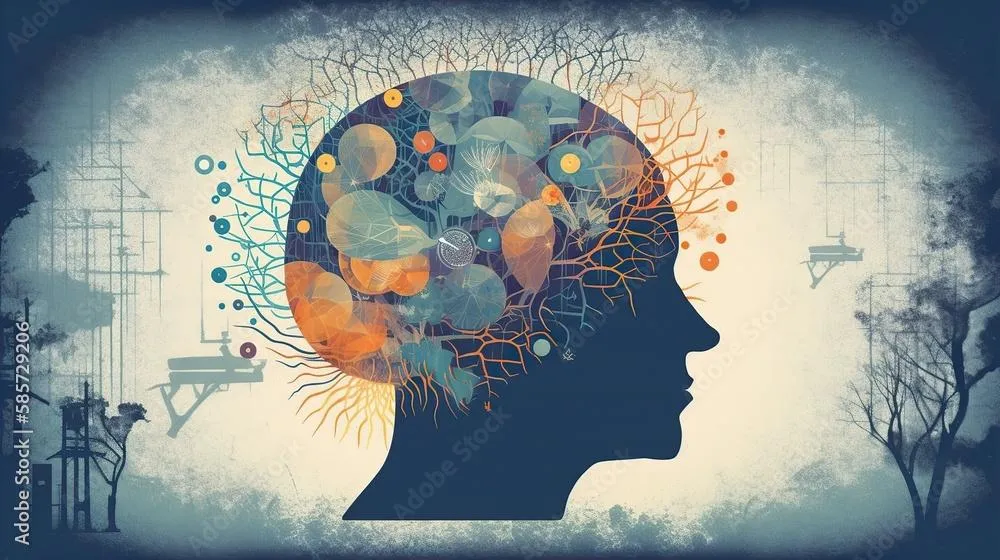
It's not you, it's the brain.
ADHD, anxiety, depression, OCD, PTSD, and addiction are all caused by certain disruptions within specific brain regions.
Neurofeedback enables the brain to optimize its own performance, gently guiding it to a state of balance and efficiency.
It's not you, it's the brain.
Depression is caused by a lack of sufficient activity in the left dorsolateral prefrontal cortex, essentially the front left part of your brain.
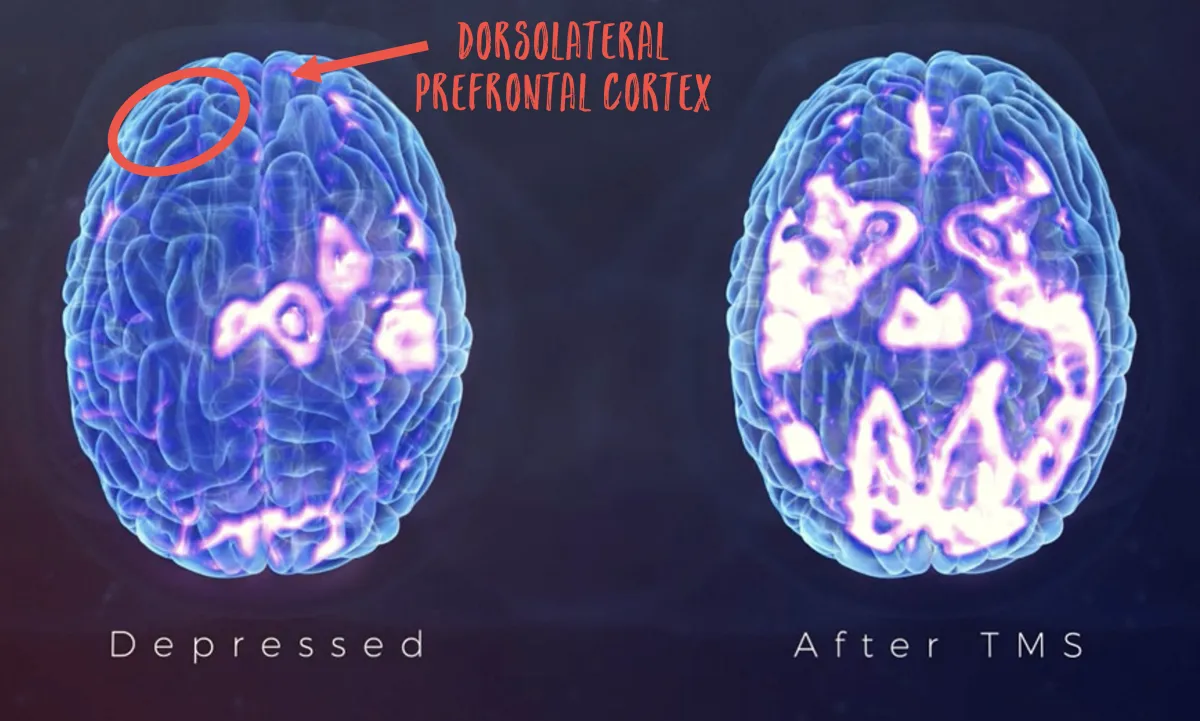
When this area is working properly, the entire brain lights up, creating an improved mood, working memory, and selective attention.
Highly Effective

Clinicians and scientific research commonly report a success rate of 75% to 80% for neurofeedback when used to treat specific conditions.
Personalized Plan

Sessions are between 30 to 60 minutes and typically last 10 to 12 weeks. The program will be designed with your needs in mind.
Covered by CareCredit

We make treatment highly accessible and affordable with plenty of options to get started.
What is Neurofeedback?
Neurofeedback, also known as EEG biofeedback, is a technique that uses real-time feedback to help individuals learn how to self-regulate their brainwave activity. This is achieved by placing sensors on the scalp to monitor brainwave activity, which is then translated into audio and visual feedback that the individual can see and hear. Through this feedback, individuals can learn to modify their brainwave patterns, leading to improvements in various aspects of their cognitive, emotional, and behavioral functioning. Neurofeedback has been used to treat a wide range of conditions, including ADHD, anxiety, depression, PTSD, and addiction, as well as to enhance cognitive performance and promote overall well-being. Neurofeedback is a non-invasive and safe technique that does not involve medication or surgery.
How does Neurofeedback work?
Neurofeedback works by training individuals to regulate their brainwave activity, which can be measured using electroencephalography (EEG). During a neurofeedback session, sensors are placed on the scalp to monitor the brainwave activity, and the information is processed by a computer that translates the data into visual and auditory feedback. This feedback is presented to the individual in real-time, allowing them to see and hear how their brain is functioning.
The individual is then guided to change their brainwave patterns to achieve a desired state. For example, if someone is seeking to improve their attention and focus, they may be trained to increase their production of beta brainwaves, which are associated with alertness and concentration. Over time, the brain learns to self-regulate and produce the desired brainwave patterns without the need for external feedback.
Neurofeedback works by stimulating neuroplasticity, the brain's ability to adapt and change in response to experience. By repeatedly training the brain to produce specific patterns of brainwave activity, the brain becomes more efficient at producing those patterns on its own. This leads to improvements in various aspects of cognitive, emotional, and behavioral functioning.
Why is it effective?
Neurofeedback has been shown to be effective for a variety of conditions, and there are several reasons why this technique may be effective:
Targeted treatment: Neurofeedback targets specific brainwave patterns that are associated with various conditions. By training individuals to produce specific patterns of brainwave activity, neurofeedback can help individuals improve their cognitive, emotional, and behavioral functioning.
Non-invasive and safe: Neurofeedback is a non-invasive and safe technique that does not involve medication or surgery. This makes it a viable treatment option for individuals who may not be able to tolerate other treatments.
Stimulates neuroplasticity: Neurofeedback stimulates neuroplasticity, the brain's ability to adapt and change in response to experience. By repeatedly training the brain to produce specific patterns of brainwave activity, the brain becomes more efficient at producing those patterns on its own, leading to long-lasting changes.
Individualized treatment: Neurofeedback can be tailored to the individual's specific needs, making it a personalized treatment approach. This allows for targeted treatment of specific symptoms and conditions.
No negative side effects: Neurofeedback has no negative side effects, unlike some medications and other treatments. This makes it a safe and effective treatment option for individuals who may be concerned about the potential risks of other treatments.
Who is Neurofeedback best for?
Neurofeedback can potentially benefit a wide range of individuals, and it may be particularly helpful for those who are seeking a non-invasive and drug-free treatment option for certain conditions. Here are some examples of who neurofeedback may be best for:
Individuals with ADHD: Neurofeedback has been shown to be effective in reducing symptoms of ADHD, such as hyperactivity, impulsivity, and inattention.
Individuals with anxiety and depression: Neurofeedback may be helpful in reducing symptoms of anxiety and depression by training individuals to regulate their brainwave activity and promoting relaxation and positive emotions.
Individuals with PTSD: Neurofeedback has been shown to be effective in reducing symptoms of PTSD, such as anxiety, hyperarousal, and emotional numbing.
Individuals with addiction: Neurofeedback can help individuals overcome addiction by reducing cravings, improving emotional regulation, and promoting overall well-being.
Athletes and performers: Neurofeedback may be helpful in enhancing cognitive performance, such as attention, focus, and memory, which can be particularly beneficial for athletes and performers.
Individuals with sleep disorders: Neurofeedback can help regulate sleep patterns, leading to better quality and more restful sleep.
Overall, neurofeedback may be best for individuals who are motivated to participate in the treatment and who are willing to actively engage in the process of self-regulating their brainwave activity. It is important to note that neurofeedback is not a substitute for medical or psychological treatment and should be used in conjunction with other treatments as needed.

What does it feel like? Does it hurt?
Neurofeedback is a painless and non-invasive technique that does not involve any physical sensation. During a neurofeedback session, sensors are placed on the scalp to monitor brainwave activity, and the individual sits in a comfortable chair while receiving feedback through visual and auditory cues. The visual feedback may appear as a video game or a graph that represents the individual's brainwave activity, and the auditory feedback may be a sound or tone that changes depending on the individual's brainwave patterns.
Some individuals may experience a sense of relaxation during a neurofeedback session, while others may feel a sense of focus or increased alertness. The experience may vary depending on the individual and the specific goals of the neurofeedback training. Overall, neurofeedback is a non-invasive and safe technique that is well-tolerated by most individuals.
Are there any side effects?
Neurofeedback is generally considered to be a safe and non-invasive technique, and there are typically no negative side effects associated with the treatment. However, some individuals may experience mild discomfort or irritation from the sensors that are placed on the scalp during the session. This is usually temporary and can be easily addressed by adjusting the placement of the sensors or using different types of sensors.
In some cases, individuals may experience mild side effects such as headaches, fatigue, or mild changes in mood or behavior. These side effects are usually temporary and subside within a few hours to a few days after the session.
It is important to note that neurofeedback should be administered by a trained professional and under the guidance of a healthcare provider. Individuals with certain medical conditions or who are taking certain medications may not be suitable candidates for neurofeedback. It is important to discuss any potential risks or concerns with a healthcare provider before starting neurofeedback treatment.
Highly Effective
About 75% of patients who complete a full course of TMS show a clinically meaningful response and about 50% experience a full remission, meaning their symptoms go away completely.
Fits in Your Schedule
Sessions are about 20 minutes and you can drive to and from your appointments. The full course covered by insurance usually takes about 6-8 weeks to complete.
Covered by Insurance
All major payers cover TMS treatment for Depression. If you've tried multiple antidepressants and therapy, there's a good chance your insurance covers it.

Meet Adam Thompson, LCSW
At times, the mind and nervous system are stuck in ways that talk therapy and even EMDR can't sufficiently change. That's where biofeedback comes in. It uses specialized software to train the brain's electrical activity to reflect more healthy patterns. It can do marvels in treating diverse emotional, psychological, and cognitive problems such as ADHD, autism, anxiety, depression, brain injury, learning disorders, PTSD, and addiction. The best results I've seen are when I combine both modalities. Clients often walk away feeling freed from afflictions that have weighed them down for years.
Our Locations
Oceanside

491 South Orem Blvd.
Orem, UT 84058

Meet Dr. Demo

Dr. Demo is a board certified psychiatrist who graduated magna cum laude from The University of the Bahamas School of Medicine in 2008. He specializes in interventional treatments such as TMS, Spravato (esketamine), and IV Ketamine. Schedule your appointment with Dr. Demo today!Dr. Demo is a board certified psychiatrist who graduated magna cum laude from The University of the Bahamas School of Medicine in 2008. He specializes in interventional treatments such as TMS, Spravato (esketamine), and IV Ketamine. Schedule your appointment with Dr. Demo today!
Our Locations
Oceanside

888 Pacific Coast Hwy
Oceanside, CA. 92054
Santee

323 Maximus Dr.
Santee, CA. 92071
Chula Vista

1900 Bartholomew St.
Bonita, CA 91914
Have you heard? Here's how Neurofeedback has helped others.
See what patients have said about their experience receiving Neurofeedback.
MICHELLE
Neurofeedback Patient

"Neurofeedback sessions have worked really well for me. I have dealt with CPTD issues from childhood trama. I started out with some emdr type stuff, then moved on to neurofeedback, over about two years."
ALEX
Neurofeedback Patient

"Pretty amazing. I’ve been going to different types of therapy for 20 years and neurofeedback has produced more results, more quickly than many of the other treatments I’ve tried. I experienced a noticeable improvement in how my mind and body handles stress, anxiety, and obsessive thinking."
KEVIN
Neurofeedback Patient

"Before meeting with Adam and Courtney, I felt like I was a bystander in my own life, not in control of anything. Now I feel in control."
More Patient Testimonials
Click to watch
ANDREW
Neurofeedback Patient
ALYSSA
Neurofeedback Patient
ADAM
Neurofeedback Patient
Have you heard? Here's how TMS has helped others.
See what patients have said about their experience receiving TMS.
NAJMAH
TMS Patient
"I not only feel much better, I was able to get to know the amazing staff at the office! I feel alive again. I am so glad I decided to give it a try. I am so glad finished all the sessions. It works!"
GAYLE
TMS Patient
"The staff are very committed to providing the best experience possible. They really go out of their way to make you feel important and respected. I have been getting treatment for 3 weeks now and I truly feel that it has changed my life. Thank you!!"
JAMIE
TMS Patient
"I've dealt with depression and anxiety for many years. Medications were not successfully managing my symptoms. TMS really helped to get my symptoms under control."
More Patient Testimonials
Click to watch
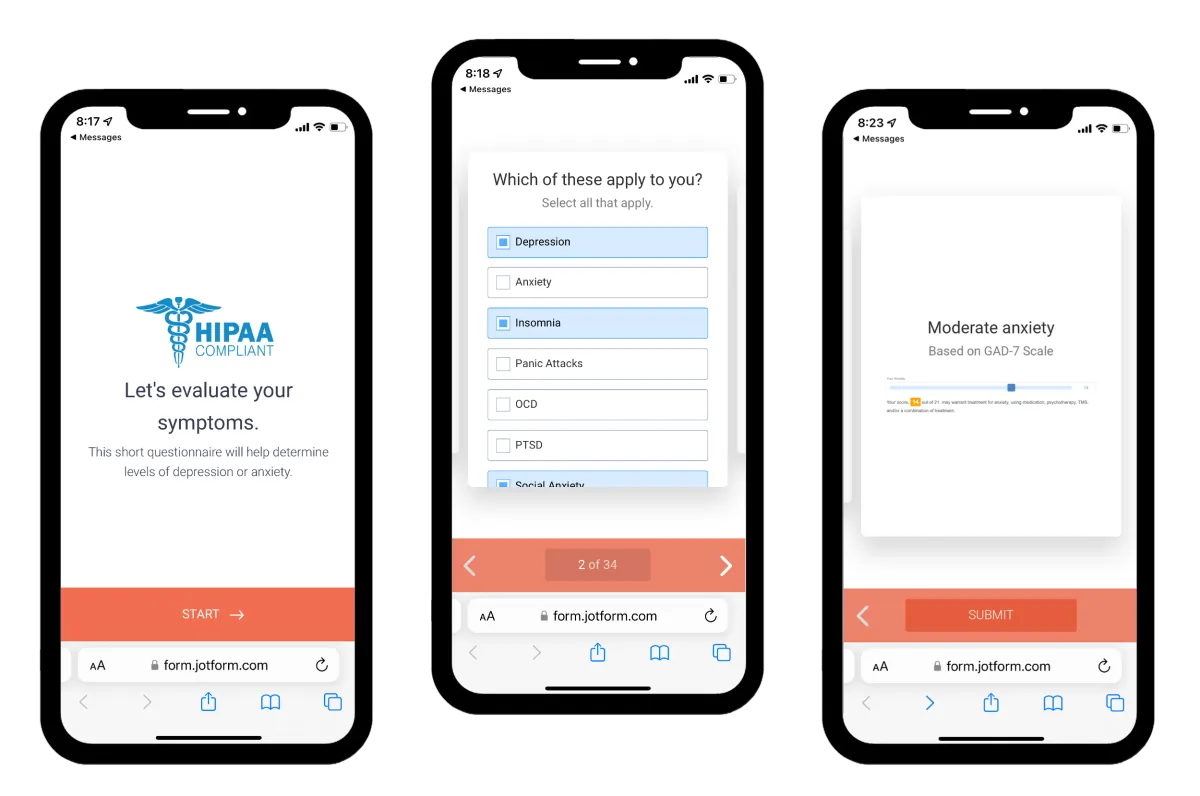
Not sure if you need help?

Not sure if you need help?
Find out by taking this short assessment
Secure and confidential.
or
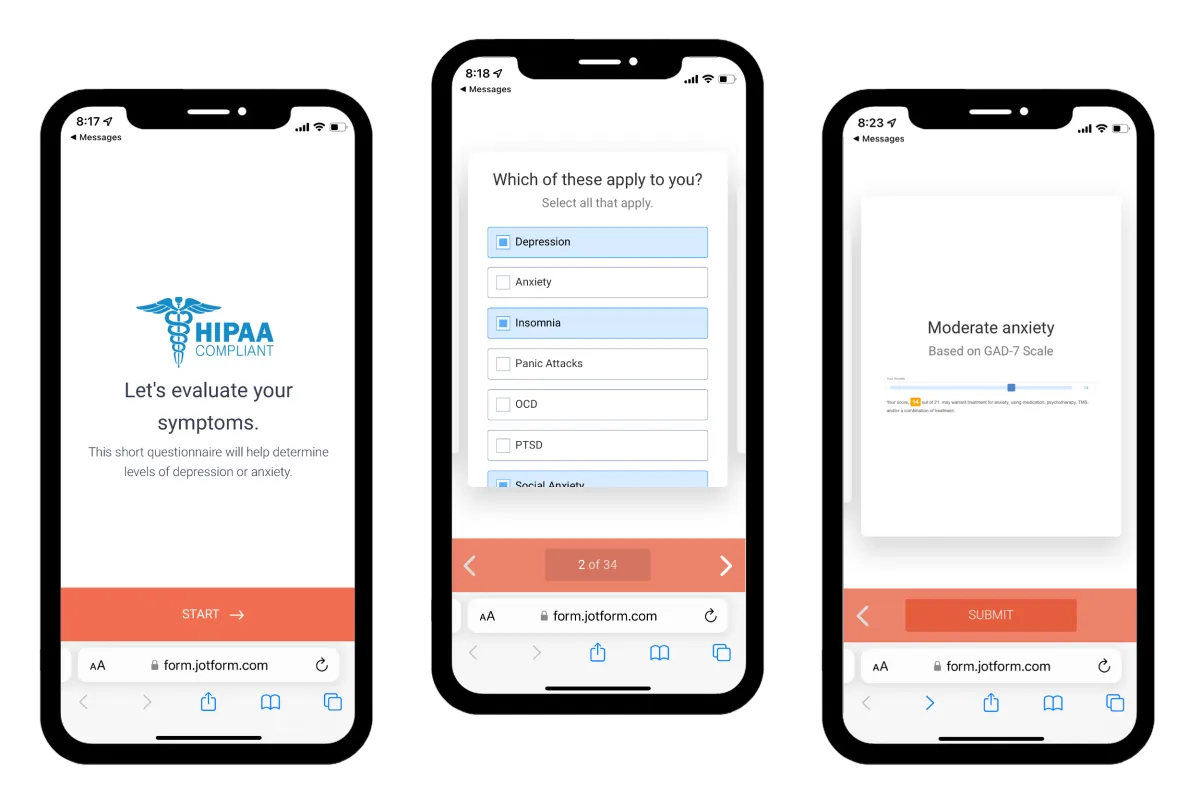
Not sure if you need any of this?
Not sure if you need any of this?
Find out by taking this short assessment
Secure and confidential.
Or

Insurances we accept
Insurances we accept

Contact Info
Business Hours
Mon: 9am - 5pm
Tues: 9am - 5pm
Wed: 9am - 5pm
Thurs: 9am - 5pm
Fri: 9am - 5pm
Sat/Sun: Closed



Ⓒ 2023 — demohealth.com — All rights reserved